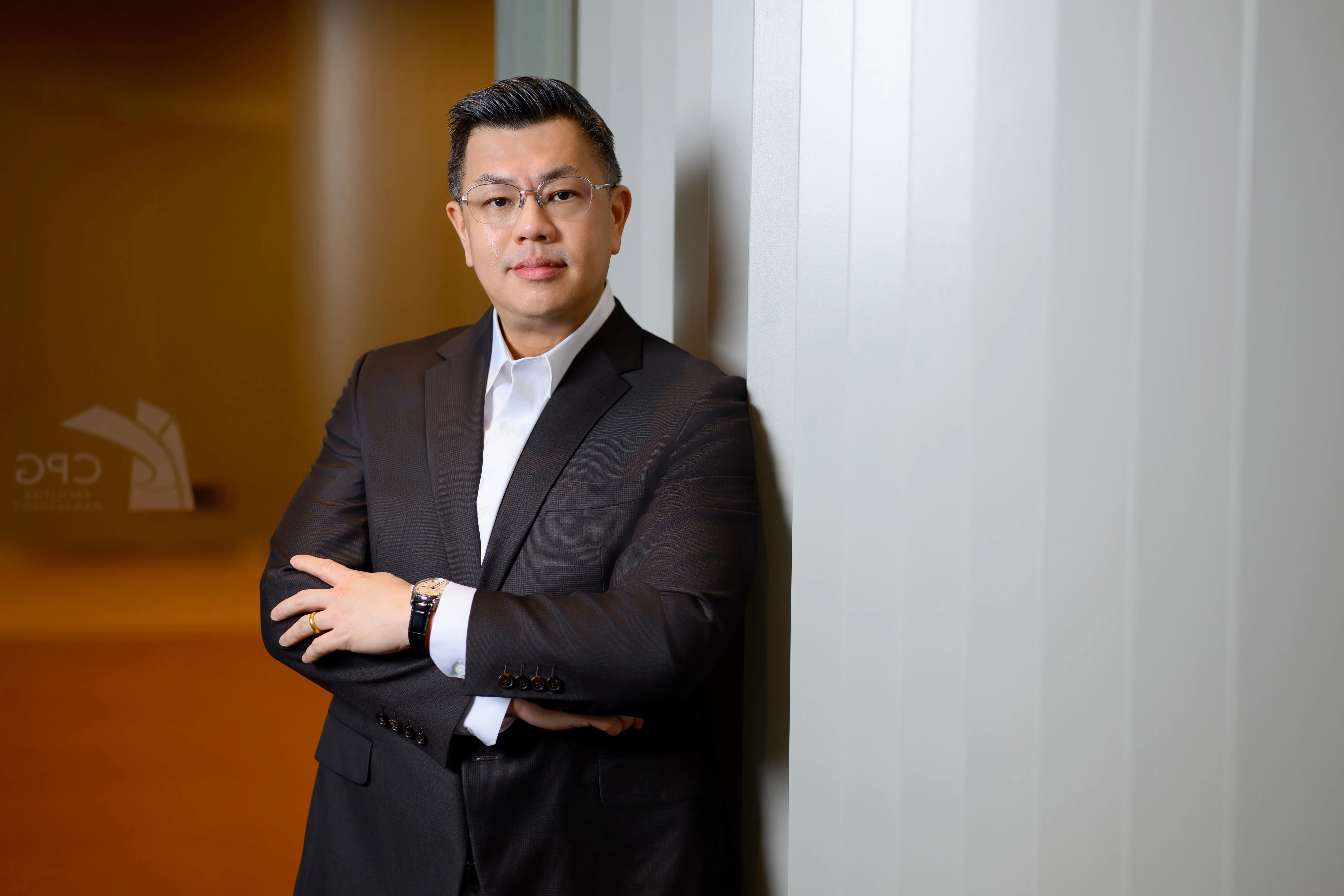
By Alan Goh, Chief Executive Officer, CPG Facilities Management
We often talk about the importance of Human Resources (HR) professionals understanding the business. But what happens when an HR professional goes on to lead the business?
For Alan Goh, CEO of CPG Facilities Management, the journey from HR to the boardroom was never part of a grand career plan. It was shaped by curiosity, opportunities and a willingness to take on challenges beyond his comfort zone. In this article, Alan reflects on his journey from HR to CEO, what business leadership has taught him about the HR profession, and why he believes HR professionals don't necessarily have to leave that corporate function to become business leaders.
When I started my career in HR at CPG Group in 2004, becoming a CEO was certainly not part of my grand career plan. As a young officer, I had a fairly good idea of what I did not enjoy, but I wasn't entirely sure what I wanted to do.
Driven by curiosity, I volunteered for different responsibilities and gradually found myself taking on increasingly complex assignments. Interestingly, my career progression rarely followed the conventional path.
I took on the work, demonstrated that I could deliver, and the opportunities followed.
The opportunity that changed my perspective
If I had to identify a turning point in my career, it would probably be an office relocation project.
When CPG Corporation was relocating from Novena Square to Westgate Tower, my then Group CEO asked if I would chair the relocation committee. I thought, why not? It was another opportunity for me to learn something new!
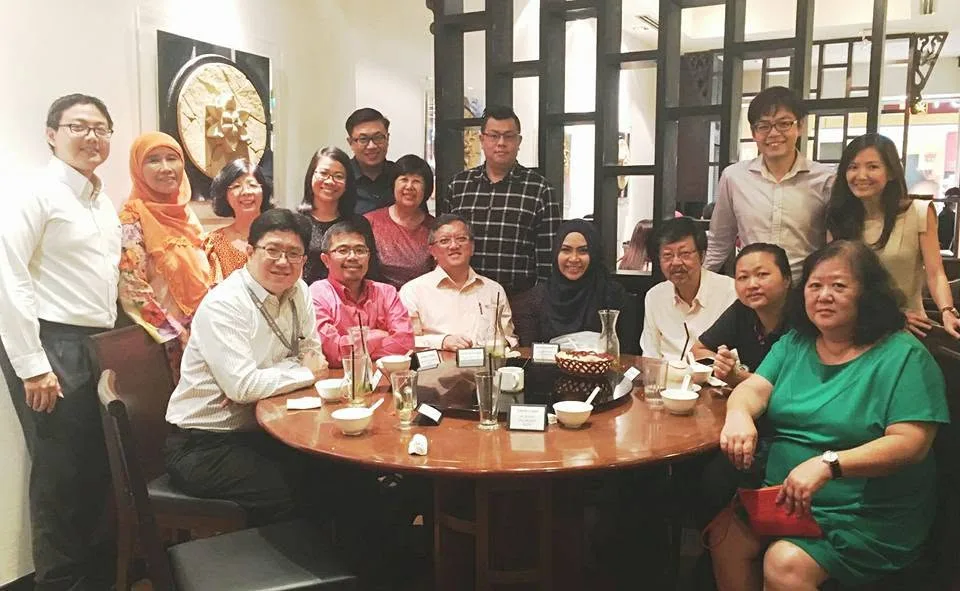
Little did I know that this seemingly straightforward assignment would involve coordinating teams, managing contractors, resolving disagreements and meeting deadlines. For the first time in my career, I was bringing people and resources together to achieve a common objective, taking responsibility for an outcome beyond my own function.
Shortly after that assignment, I was asked to take on an operational role to address some existing challenges. I accepted, even though Operations was not my professional background.
Asking the right questions
It was a steep learning curve, navigating technical and operational issues unfamiliar to me. But I gradually learnt to approach complex situations by asking three simple questions:
- What happened?
- What does it mean for us, particularly our clients, contractors and our people?
- And what's next?
These questions helped me work with our technical colleagues towards practical solutions. I came to appreciate that leaders needed to ask the right questions, understand the implications and bring cross-functional teams together to achieve outcomes.
I also came to appreciate that leaders do not necessarily need to have all the technical answers. Yet, they must be able to ask the right questions, understand the implications and bring people together to achieve an outcome.
Does HR understand the business, or does business understand HR?
The distinction is fine between understanding the business and being responsible for it. You can learn about strategy, finance and operations through meetings and reports. But things become very different when you are accountable for decisions and results.
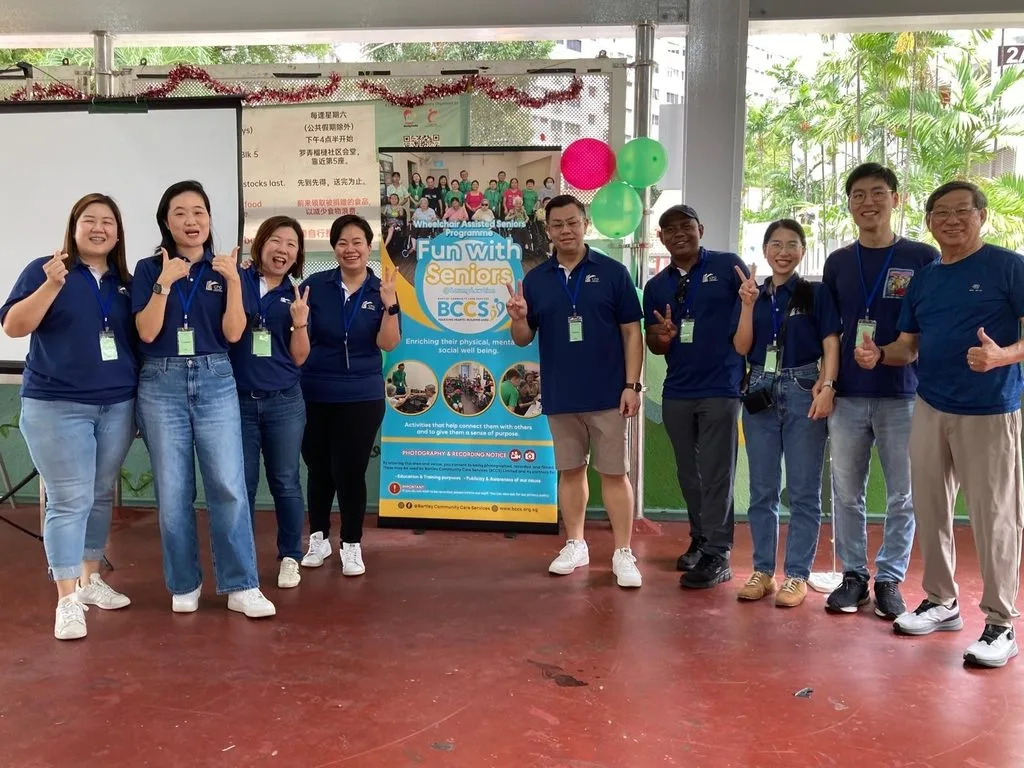
As CEO, I must balance employee welfare with commercial competitiveness, customer expectations, operational risks and long-term sustainability. My HR background helps me appreciate the human consequences of these decisions, while my CEO responsibilities require me to remain accountable for their outcomes.
You cannot develop business acumen simply by understanding how a business works. At some point, you must take responsibility for making it work.
HR is everyone's business
Becoming CEO has reinforced something I have always believed: human capital management is a fundamental responsibility of every business leader.
As CEO, I see three recurring responsibilities that are closely interconnected: setting the strategic direction, identifying and developing the right people and driving business performance to generate the revenue needed to sustain our growth and ambitions.
Take our Aspiring Management Leadership Programme (AMLP). While it may appear to be a conventional HR initiative, I see it as a strategic business investment. As we pursue growth, we need capable leaders to mobilise, manage and deliver new contracts.
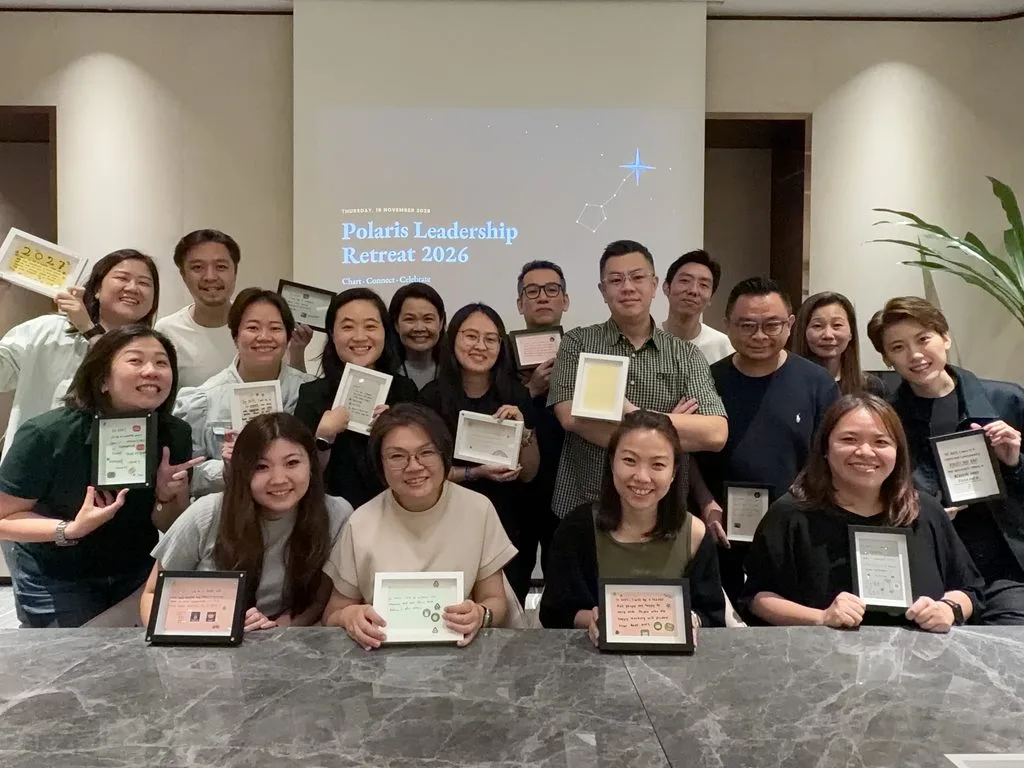
My HR background tells me that developing people takes time. My CEO responsibilities remind me that failing to develop them could cost the business much more in the future.
I also involve our HR leaders in business discussions, explain the considerations behind important decisions and welcome them to challenge my thinking. We may not always agree, but these exchanges help us make better decisions together.
When HR and business leaders understand one another, HR becomes part of the business.
You can be a business leader within HR
Looking back, knowing what I now know about running a business, perhaps I would have made a different career choice. With a deeper understanding of commercial realities, I might have remained in HR and progressed further within the profession.
If I had understood the business as well back then as I do today, perhaps I would still be in HR, giving the CEO a hard time!
That is a point I would encourage HR professionals to reflect on. Business acumen can make us more effective and influential in HR itself, helping us connect people strategies with commercial performance and challenge management constructively.
You don't necessarily have to leave HR to become a business leader. You can become a business leader within HR itself.
Still curious, with a different sense of purpose
I never experienced a defining moment when I suddenly felt ready to become CEO. I simply embraced opportunities, sometimes before I felt fully prepared. Of course, someone had to believe in me enough to offer those opportunities. I have been fortunate to have bosses who trusted me, mentors who guided me and colleagues who supported my journey.
And if you ask me who has had the greatest influence on my leadership philosophy, my answer might surprise you. It's my wife!
She has been with me throughout my career, from a young HR officer finding my way, through the different stages of my professional journey, to eventually taking on the role of CEO. Unlike at work, where people may hesitate to challenge the CEO, I certainly don't enjoy that privilege at home! She reminds me to listen, understand, compromise and recognise that I don't always have the right answers.
Today, I believe it is my responsibility to create opportunities for others, just as others created opportunities for me. I know I have done a good job as a CEO when the organisation continues to perform, our people continue to grow, and the business becomes stronger beyond my leadership.
When we are young, we have the opportunity, and perhaps the privilege, to explore what we enjoy and what we want to build. As we progress through our careers, our perspectives naturally evolve. We begin to think about the people we develop, the opportunities we create for others and what we hope to leave behind.
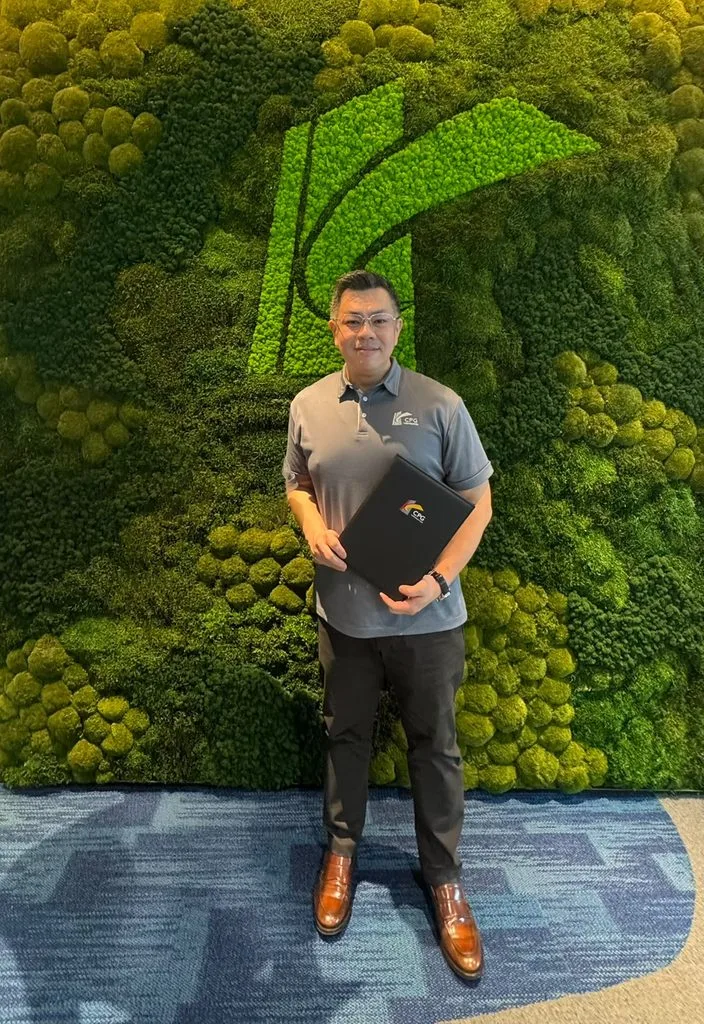
While I still enjoy learning, taking on challenges and making things happen, just as I did in my 20s, I now find greater satisfaction in seeing others grow, succeed and achieve things beyond what I could have accomplished on my own.
Perhaps that's how my perspective has evolved. When I was younger, I was exploring what I could do. Today, I am more interested in what I can help others become.
Whether as a business leader or a people leader, I hope to leave a legacy of creating opportunities for the next generation to go further than I ever could.