Ask organisations what makes them a good place to work and you'll likely hear about benefits, flexibility, learning opportunities or a culture that employees want to be a part of.
These things matter but as more organisations invest in similar initiatives, the difference between a good workplace and a great one often lies elsewhere.
At SHRI’s recent Winning with People: When 1 + 1 = 3 event, we explored how organisations can achieve stronger outcomes when hiring, engagement, and separation are treated not as isolated HR processes, but as connected parts of the employee experience. The multiplier effect comes not from a single stage, but from the connection between them.
The same concept can be applied beyond HR processes.
In great workplaces, another multiplier exists: the ability for people to learn from one another.
Beyond Formal Learning
Most organisations recognise the importance of learning and development, investing heavily in training and upskilling. At the same time, some of the most valuable learning occurs outside formal programmes, through conversations with colleagues, exposure to different perspectives, experiences that push people beyond what they already know. While both matter, it is the second kind of learning that compounds time and strengthens teams. This is where the multiplier effect begins.
This is also reflected in national conversations around workforce development. Speaking at a recent leaders' dialogue, Deputy Prime Minister Gan Kim Yong emphasised that learning and upgrading cannot be something employees do only during periods of disruption or uncertainty. In a fast-changing economy, learning must become a continuous process.
JPMorganChase was recently ranked #1 in Singapore’s Best Employers 2026 by The Straits Times. When asked what makes the organisation a great place to work, John McAlpine, Head of Human Resources for Southeast Asia, did not point to a specific programme or policy. He attributed it to the way people work together.
“We bring the right people together across teams, business lines, and geographies, share what we know, and help each other find answers,” he said. “Working this way gives people the chance to learn and grow their careers doing work that matters.”
His response highlights how learning is not separate from work but part of work itself.
When knowledge moves across teams instead of remaining siloed, employees gain exposure to different perspectives and expertise. Over time, these interactions add up. Individuals develop new capabilities. Teams become more effective. Organisations become more adaptable.
Why Learning at Work Matters in the Age of AI
This becomes even more important as AI and emerging technologies reshape the nature of work.
While technical skills remain important, qualities such as adaptability, curiosity and the ability to learn continuously will become increasingly critical. Leaders today no longer need to ensure employees acquire skills relevant only for now, but also for tomorrow.
This shifts the conversation from technology adoption to workforce development. The question is no longer whether people need to learn. It is whether organisations are creating environments where learning can happen continuously.
John believes that organisations must be prepared to evolve alongside these changes. “Work is changing fast with AI and new technologies. Employers should think carefully about what that means for how we work day-to-day, with each other and with clients, and make sure people have the support to navigate it.”
That support goes beyond access to training programmes or technical upskilling. It includes giving employees opportunities to experiment, learn from one another and build confidence in applying new skills in real-world situations. It also requires organisations to create the time and space for learning to happen, rather than expecting employees to develop new capabilities on top of already demanding workloads.
For him, organisations should be willing to "try small experiments, keep what helps, and let go of what doesn't."
While investment in learning and technology remains important, what increasingly differentiates organisations is their ability to embed learning into everyday work. The strongest workplaces empower individuals to learn from one another and experiment with new ideas.
Connection as a Growth Engine
Connection is often discussed as a driver of engagement and belonging. Yet its value extends further. Gallup research shows that employees who have meaningful workplace relationships are significantly more likely to remain with their employers.
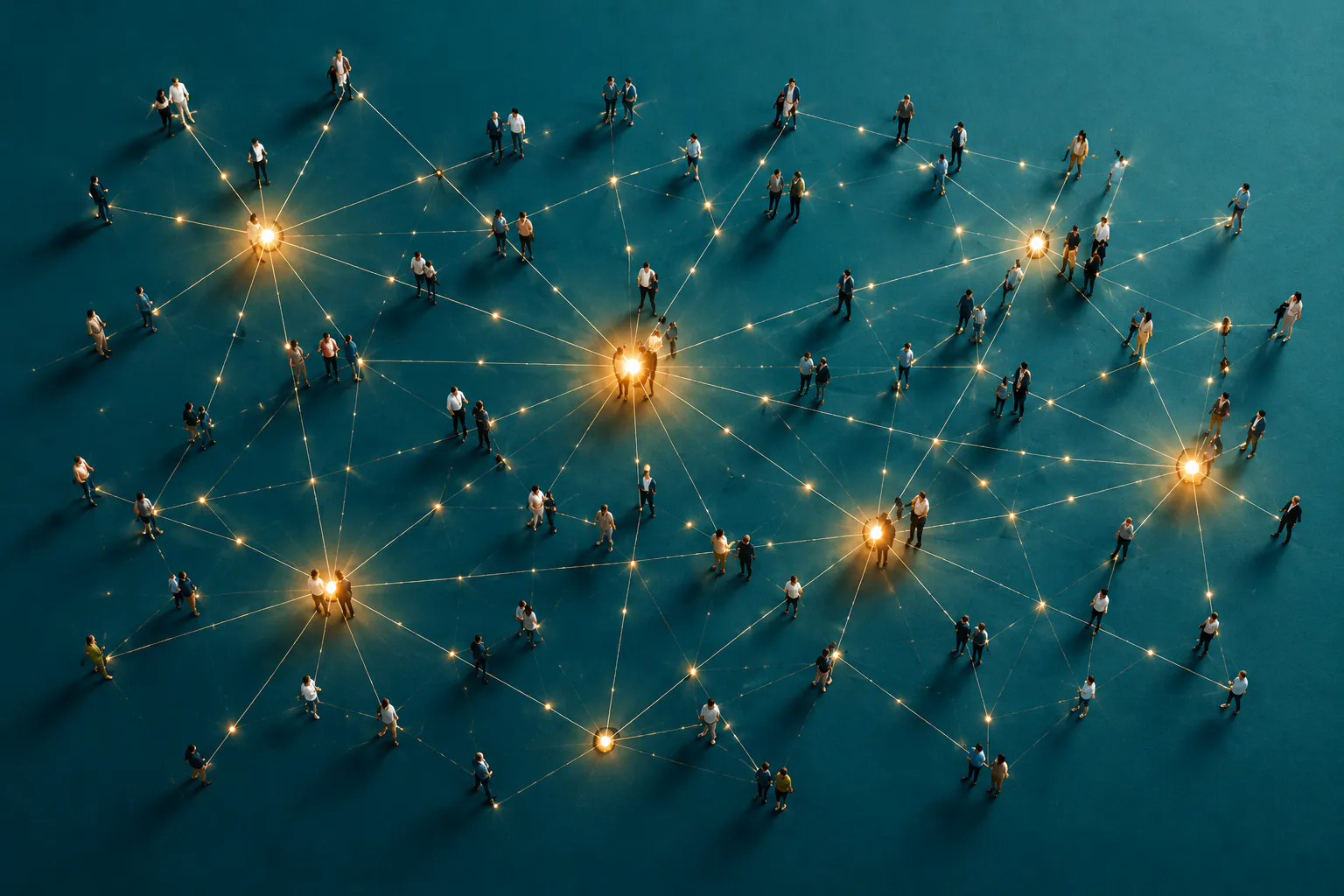
Beyond retention, connection creates the conditions for learning. When people trust one another, they are more willing to ask questions, share ideas and learn from mistakes. Knowledge moves more freely across teams, and experience is shared rather than kept within silos. Over time, these interactions strengthen both individual capability and organisational resilience.
Connection accelerates learning. Learning drives growth. Together, they create a multiplier effect that benefits both employees and organisations.
The Hidden Multiplier
On reflecting what he hopes employees take away from their experience at JPMorganChase, John shared, "More than anything, we want people at JPMorganChase to feel they do work they're proud of, with teammates who backed them, in a global firm that sets a high bar. If they carry that standard with them—using it to guide their growth here—we'll be very happy."
What JPMorganChase has done is embed learning into the rhythm of how work happens. People learn because they work closely across teams. They grow because they're solving real problems with colleagues who bring different knowledge. Over time, this compounds. Connection and learning become inseparable from effectiveness itself.
When that happens, growth is no longer something organisations deliver to employees. It becomes something people create together.