
Workplace culture is shaped by the shared behaviours, values, and norms that influence how people work and interact. For HR teams, culture is not just defining a set of values on paper. It is about creating the conditions for employees to feel connected, supported, and able to do their best work.
Yvonne Chan, Head of People & Culture at Jardine Engineering (Singapore) reflects on her people-centric approach and its role in shaping the employee experience at JECS.
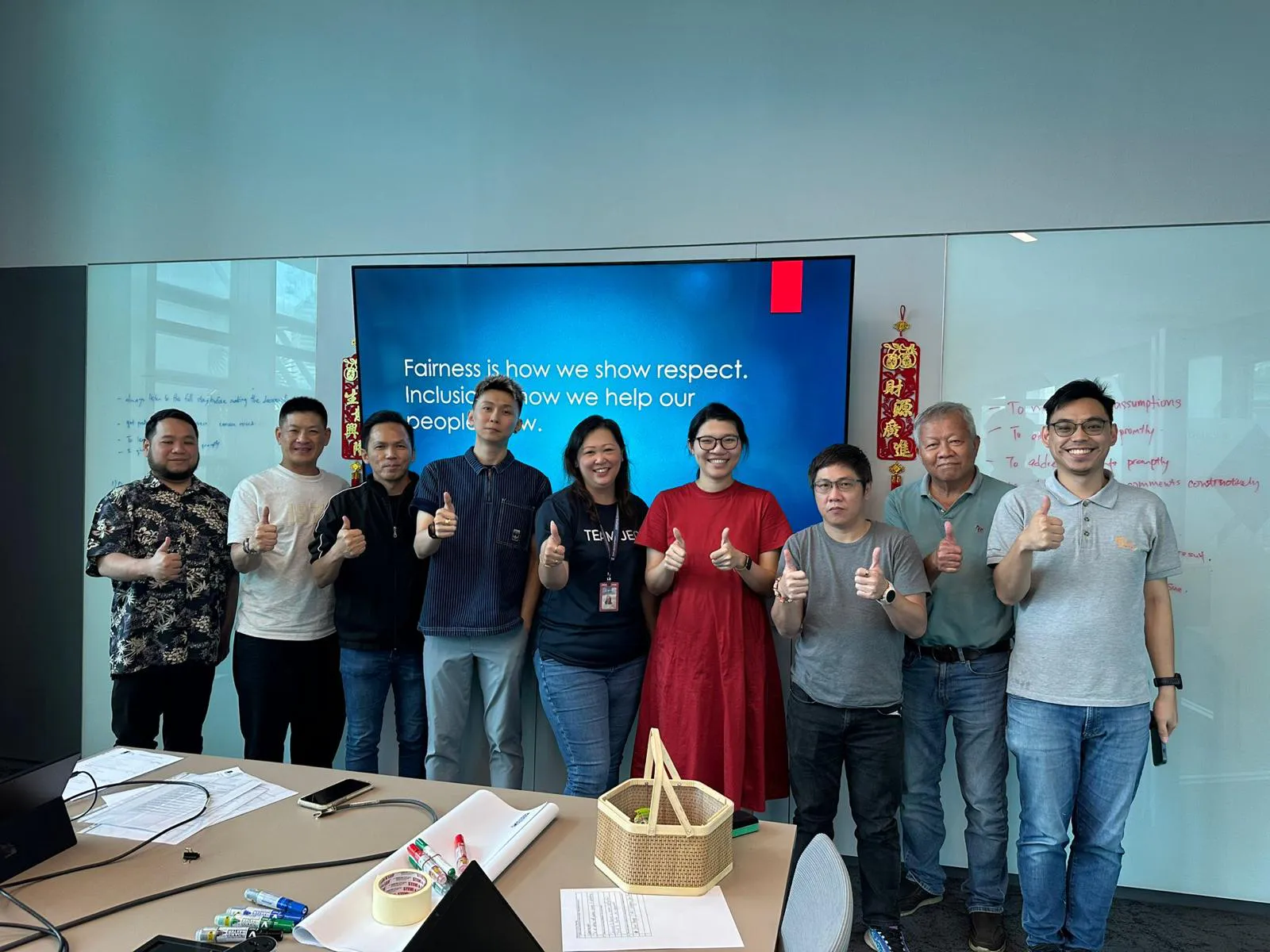
When I joined JECS four and a half years ago, one of the first things I did was bring my People & Culture team together. I wanted the conversation to go beyond our roles and responsibilities. We needed to decide what kind of team we wanted to be - how we would engage with people, get things done and approach challenges.
I called us The Freshmakers.
The name reflected an intention: I did not want the team to follow practices because that was how things had always been done. If something worked, we would strengthen it. If it no longer served our people or the business; we needed the courage to question it and find a better way.
Legacy deserves respect, but that does not mean legacy is automatically right.
Being a Freshmaker meant being willing to create behaviours worth following rather than simply adopting what had become familiar.
We put that into practice in three ways: how we engage, how we get things done and how we think. How we engaged was about bringing people together, listening and responding to concerns. How we got things done was to solve problems properly, setting clear expectations and acting before issues became bigger. And how we think was about staying positive, objective and focused on being resolvers.
The one non-negotiable principle underpinning all three: respect.
From the beginning, I made it clear that I would not tolerate anyone talking down to another person - whether they were a senior leader, technician, foreign worker, or cleaner. Each roles comes with different levels of authority and responsibility, but they should never determine the dignity we give another person.
Someone could be highly productive and capable, but if they could not treat people with respect, they were not suitable for my team. Culture had to start with what we were prepared to demonstrate ourselves before expecting the same behaviour from others.
Over the years, I began hearing comments that made me wonder whether people beyond our team could experience that difference too. People told me that we did not seem like the People & Culture team of an engineering company. They said we seemed to have a lot of fun, that the workplace felt different, or that the JECS culture felt warm and close-knit.
What mattered was not the compliments themselves, but what they represented. People were describing a culture they had experienced without us having to tell them what that culture was supposed to be.
In 2024, that journey reached an important milestone when we received Gold at the Singapore HR Awards for Excellence in Employee Experience & Well-Being. I did not see the recognition as proof that we had created the perfect culture, Instead, it affirmed that the deliberate choices we had been making - how we treated people, responded to concerns, solved problems and practised what we preached - were making a difference.
That experience has continued to shape how I think about workplace culture. Policies and values matter because they set expectations and give people a sense of what the organisation stands for, but they cannot tell us how to handle every human interaction.
A policy may state that an organisation values respect. But it cannot determine how a manager speaks to someone who has made a mistake. A value statement may encourage openness. But it cannot guarantee that an employee feels safe enough to disagree. It is in these everyday interactions that employees begin to understand what an organisation truly stands for.
This is also why being people-centric, to me, does not mean making everyone happy. People & Culture has a responsibility both to serve its stakeholders and to protect the organisation. There will be difficult conversations, unpopular decisions and occasions when the answer must be no.
Respect does not remove those responsibilities; it determines how we carry them out. Respect is not the absence of difficult decisions. It is how we treat people while making them.
Four and a half years after that first Freshmakers conversation, I remain convinced that culture requires intention. People & Culture cannot create organisational culture alone, nor can any leader dictate it into existence. What we can do is model the behaviours we want to see, challenge those that no longer belong, and remain consistent enough for others to experience the difference.
Policies can define expectations and values can describe aspirations, but ultimately, people understand culture through what happens between them every day.
Because in the end, culture is built in the moments no policy can control.